The Great Entertainment Reset: Why Streaming Is Starting to Look Like Cable
The Great Entertainment Reset: Why Streaming Is Starting to Look Like Cable
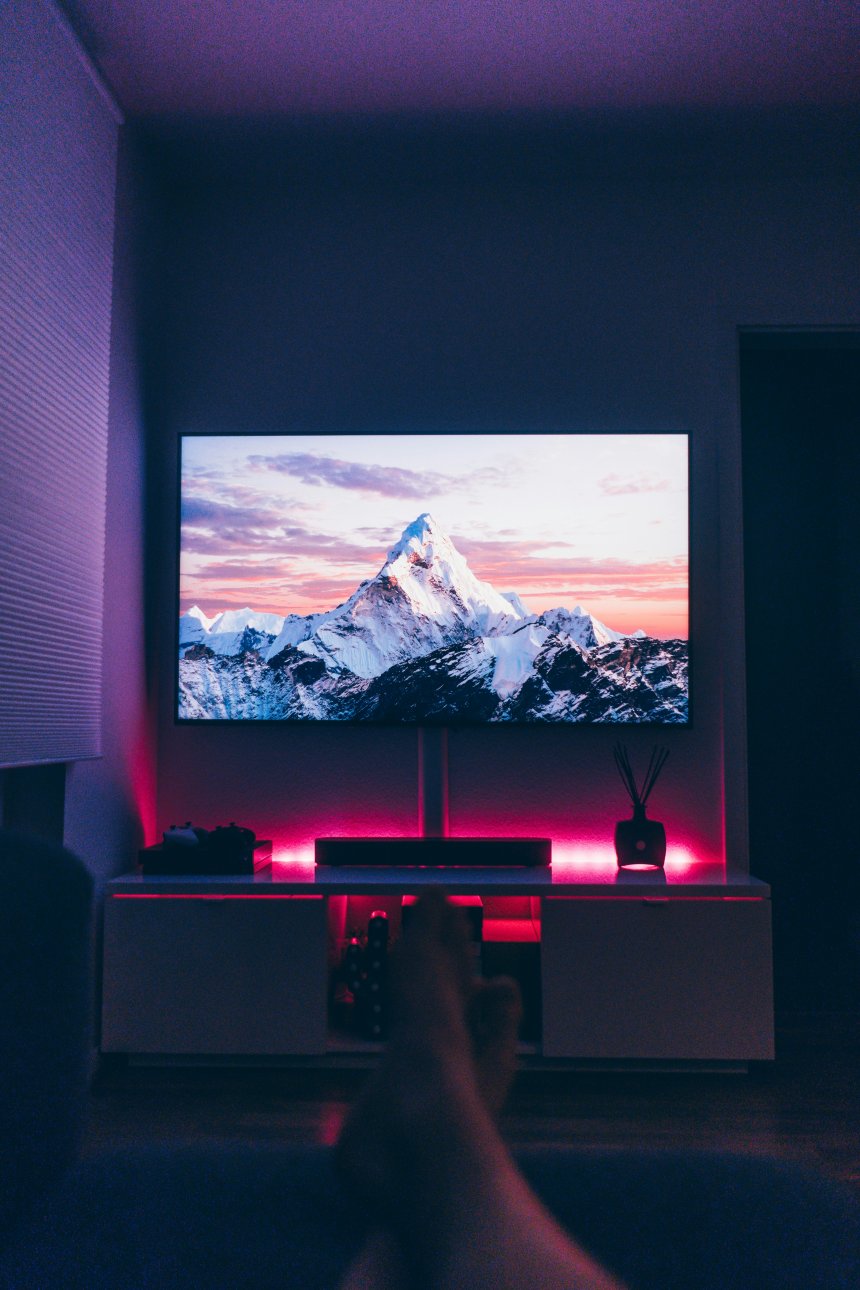
Image Credit: Jens Kreuter
By: Power Pulse Editorial
Category: Media • Technology • Business • Entertainment
Editor's Note
For years, streaming represented freedom from expensive cable packages. Consumers embraced the promise of lower costs, no contracts, and the ability to watch content whenever they wanted. But as media companies chase profitability and Wall Street demands growth, the economics of entertainment are changing again.
Today, many households are discovering an uncomfortable reality:
Streaming is beginning to resemble the very cable system it once disrupted.
Traditional Cable Enters Its "Managed Decline"
Credit: Jan Böttinger
The cable industry is no longer fighting to reclaim its dominance. Instead, many companies are focusing on managing an inevitable contraction.
Subscriber losses continue across the industry as younger audiences embrace digital alternatives. Large providers increasingly view broadband internet—not television—as their most valuable business.
Key Trends:
Subscriber Losses Continue
Pay-TV penetration has fallen dramatically, with cable now reaching less than half of American households.
Major providers continue reporting quarterly customer declines, reflecting a long-term structural shift rather than a temporary downturn.
Corporate Restructuring
Media conglomerates are separating aging cable assets from faster-growing businesses such as streaming and film studios.
Companies are essentially creating two businesses:
- Growth divisions built around streaming and content.
- Legacy divisions centered on traditional networks.
Industry Consolidation
Operators are seeking mergers and acquisitions to maintain scale against technology giants and streaming competitors.
The Rise of "Cord-Nevers"
Perhaps the biggest threat to cable isn't cord-cutters—it's consumers who never subscribed in the first place.
Younger generations increasingly view streaming as the default form of television.
Streaming Has Won—But Success Comes With New Problems
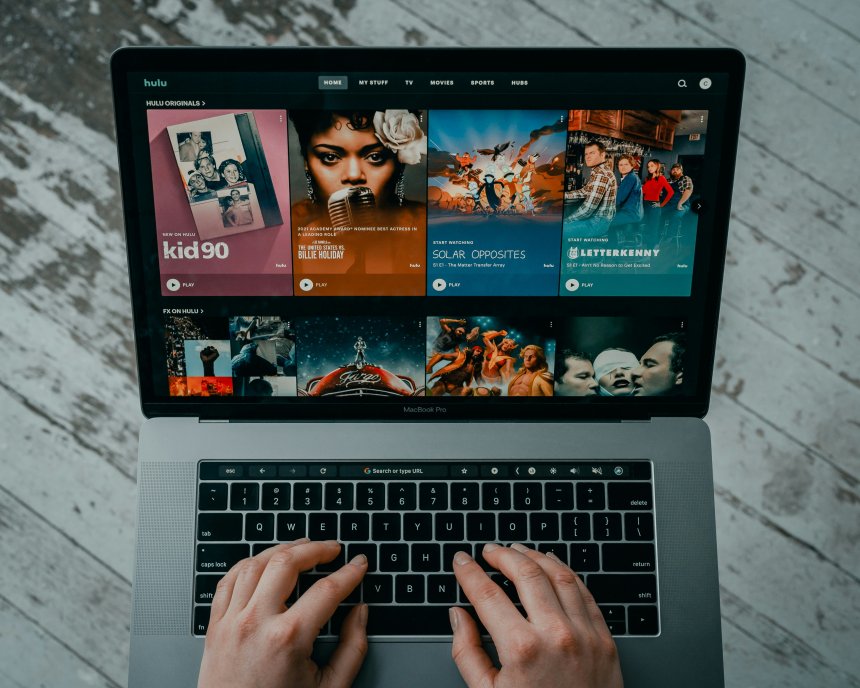
Image Credit: Tech Daily
Streaming now commands the largest share of television viewing.
Ironically, achieving dominance has introduced new challenges.
The industry's focus has shifted from attracting subscribers to keeping them.
Welcome to the Anti-Churn Era
Consumers have become subscription nomads.
Many viewers:
- Subscribe for one show.
- Binge an entire season.
- Cancel immediately afterward.
This phenomenon, known as churn, has become one of the biggest threats facing streaming companies.
Price Increases Are Becoming Normal
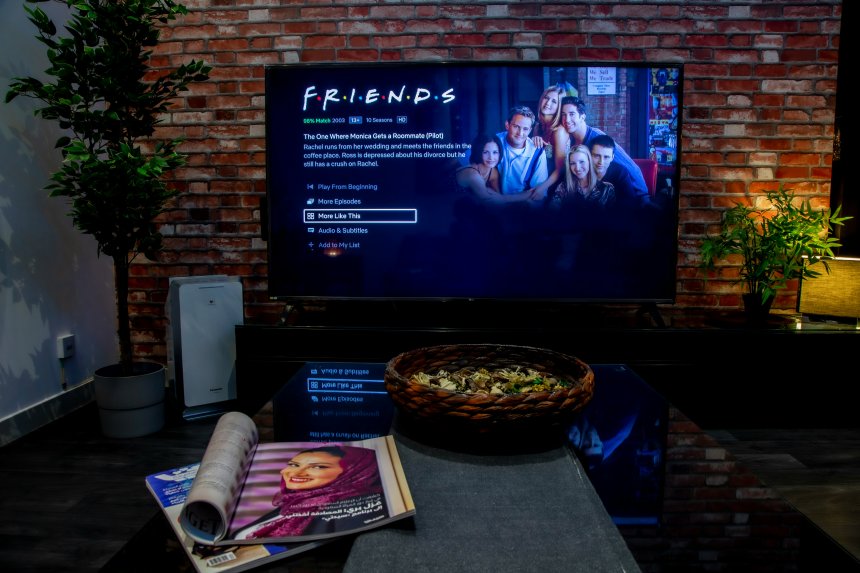
Image Credit: Mahrous Houses
The era of inexpensive, ad-free streaming appears to be ending.
Platforms have steadily increased prices while creating larger gaps between ad-supported and premium plans.
Consumers are facing:
- More frequent price hikes.
- Premium tiers approaching cable-era costs.
- Additional charges for ad-free viewing.
- Password-sharing restrictions.
- Smaller content libraries due to licensing changes.
Ads Are Back—Just in a Different Form
Streaming originally marketed itself as an escape from commercial interruptions.
Today, advertisements are making a major comeback.
Most platforms now prioritize:
Ad-Supported Plans
These subscriptions provide lower monthly prices while generating higher profits for media companies.
Premium Upselling
Ad-free experiences are increasingly positioned as luxury products rather than standard offerings.
In many ways, streaming is recreating cable's old economic model:
| Lower-priced tiers supported by advertising and expensive premium upgrades.
Bundles Are Making a Comeback
Another surprise?
Bundles.
For years, consumers rejected cable bundles because they paid for channels they didn't watch.
Now streaming companies are embracing similar strategies.
Popular combinations include:
- Disney+ and Hulu
- Disney+, Hulu, and Max
- Wireless carrier partnerships
- Amazon Prime ecosystems
The goal is simple:
Reduce cancellations by locking consumers into larger ecosystems.
The New Math: Is Streaming Still Cheaper?
Traditional Cable
Pros:
✔ Local news
✔ Live sports
✔ Single interface
✔ One monthly bill
Cons
✖ Contracts
✖ Equipment fees
✖ Sports surcharges
✖ Higher monthly costs
Premium Streaming Stack
Pros:
✔ Massive on-demand libraries
✔ Original programming
✔ Flexible month-to-month subscriptions
✔ No cancellation penalties
Cons
✖ Multiple subscriptions to manage
✖ Constant price increases
✖ Broadband internet costs not included
✖ Fragmented content
For many households, maintaining five or six premium streaming services plus high-speed internet can narrow the savings gap significantly.
Consumers Are Adapting
Rather than subscribing to everything simultaneously, many viewers are becoming strategic.
Subscription Rotation
Consumers increasingly:
- Subscribe to Netflix for one month.
- Switch to Max the next.
- Return to Disney+ during major releases.
FAST Platforms Are Growing
Free ad-supported streaming television (FAST) services are experiencing tremendous growth.
Popular options include:
- Tubi
- Pluto TV
- The Roku Channel
- Amazon Freevee
These free services increasingly provide movies, television shows, and live channels without monthly fees.
PPM Perspective
The battle between cable and streaming may not end with one side completely replacing the other.
Instead, entertainment appears to be entering a hybrid era where:
- Streaming dominates viewing habits.
- Live sports remain cable's strongest weapon.
- Bundles return under new branding.
- Advertising becomes unavoidable.
- Consumers manage subscriptions like utilities.
The biggest irony of the streaming revolution may be this:
| After spending a decade trying to kill cable, streaming companies are slowly rebuilding many of cable's business models—just through apps instead of set-top boxes.
Major Streaming Platforms in 2026
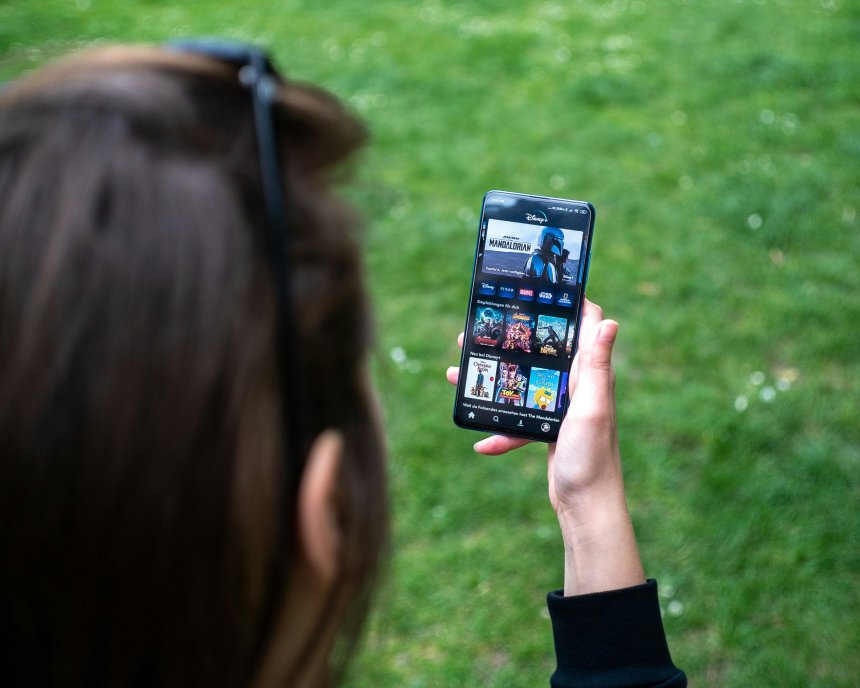
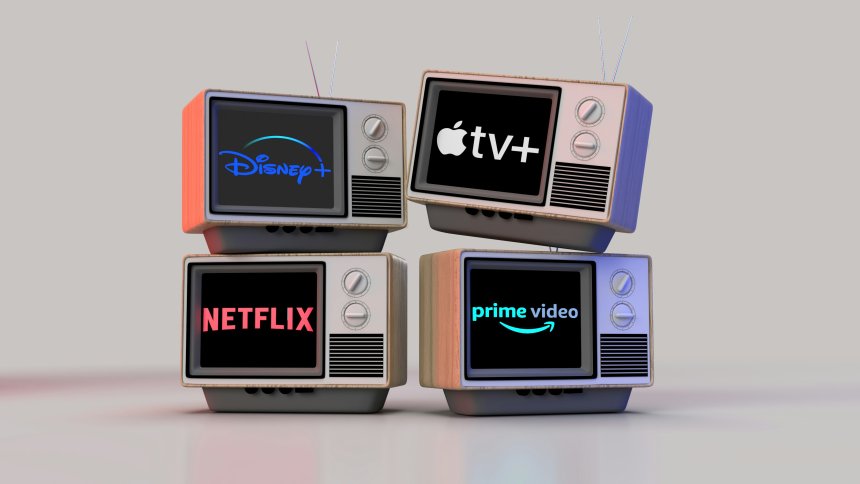
Premium Subscription Streaming Services
Credit: Mika Baumeister
- Netflix
- Disney+
- Hulu
- Max
- Paramount+
- Peacock
- Apple TV+
- Prime Video
- AMC+
- Crunchyroll
- BritBox
- MGM+
- BET+
- Shudder
- Discovery+
Credit : Shutter Speed
Live TV Streaming Services
These are often used as cable replacements:
- YouTube TV
- Hulu + Live TV
- Sling TV
- Fubo
- DirecTV Stream
- Philo
Free Ad-Supported Streaming (FAST)
No monthly subscription required.
Credit: BoliviaInteligente
- Tubi
- Pluto TV
- The Roku Channel
- Freevee
- Crackle
- Xumo Play
- Plex
- Fandango at Home
Sports Streaming Services
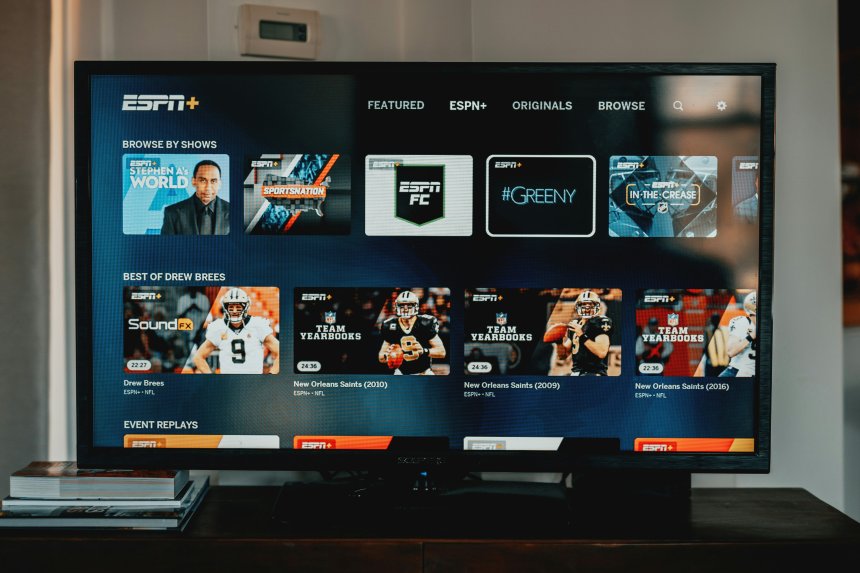
Image Credit: Tech Daily
- ESPN+
- DAZN
- NFL+
- NBA League Pass
- MLB.TV
- NHL Center Ice
Anime & Niche Streaming
- Crunchyroll
- HIDIVE
- Shudder
- Criterion Channel
- MUBI
PPM Quick Take
If you're trying to keep costs low in 2026, a strong entertainment setup could be:
- Tubi (Free)
- Pluto TV (Free)
- The Roku Channel (Free)
- Netflix or Disney+ (rotate monthly)
- YouTube TV only if you need live sports and local channels
This approach can provide hundreds of channels and thousands of movies while costing far less than a traditional cable package.
Related Sources & Articles
Collider • By: Adam Blevins
"Starting Tomorrow 2 Major Streaming Services Are Officially Getting Prices Slashed"
https://collider.com/amazon-prime-day-streaming-deals-apple-tv-paramount/
Share
What's Your Reaction?
 Like
1
Like
1
 Dislike
0
Dislike
0
 Love
0
Love
0
 Funny
0
Funny
0
 Angry
0
Angry
0
 Sad
0
Sad
0
 Wow
1
Wow
1